H&E Hardwood FloorsGarland, TX (972) 897-9735

What we do

Hardwood floor refinishing.

Sanding and refinishing, screen and recoat, stain and colour changes, board repair and water damage, new hardwood floors and stairs and treads, for homeowners. Working Garland, TX (ZIP 75043) and roughly 25 miles around it.

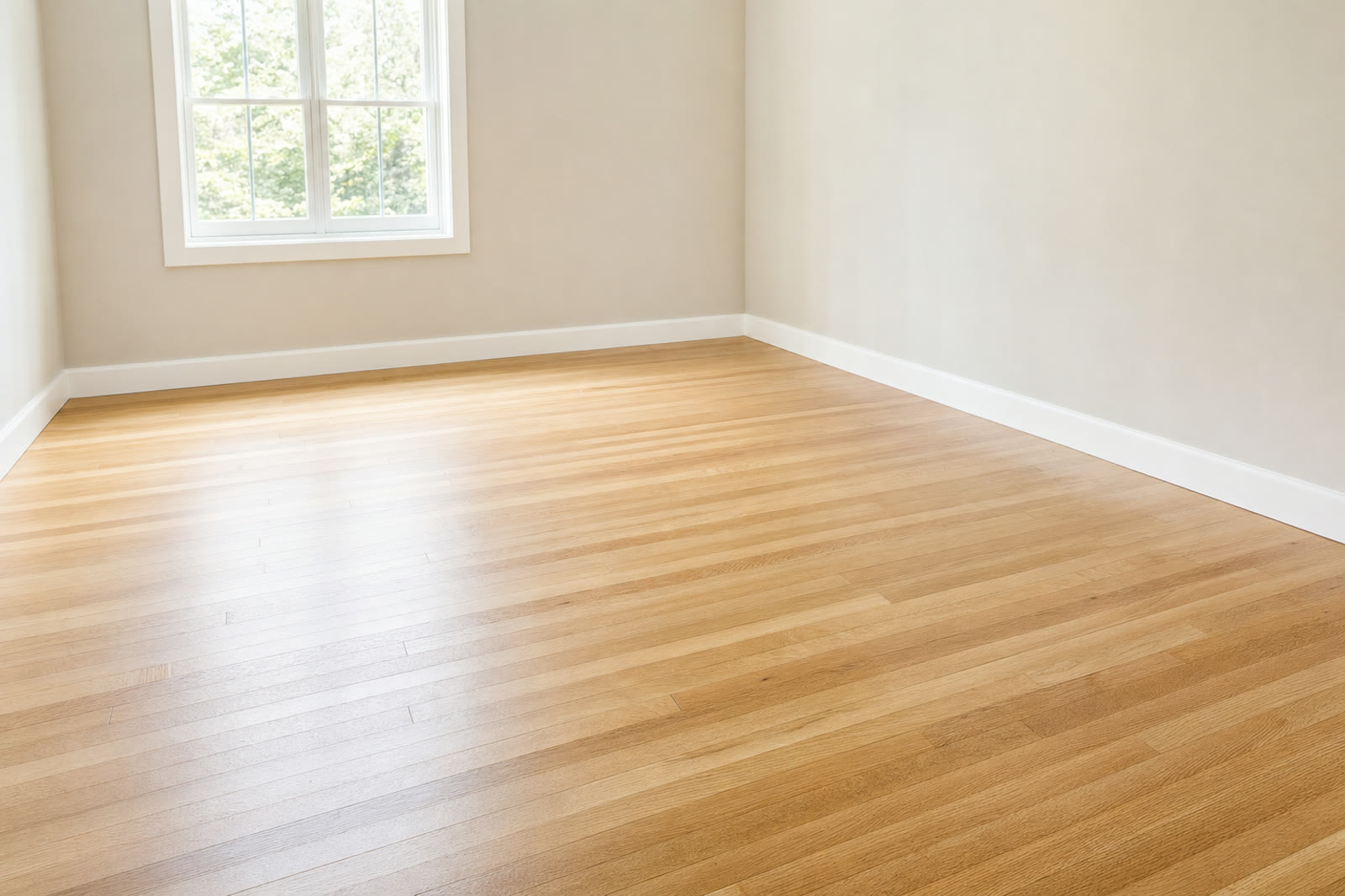
An empty bedroom with a newly refinished light oak floor

Sanding and refinishing

Worn, scratched and greyed hardwood sanded back to bare wood and finished again with new coats.

A full refinish sands the floor down to bare wood, taking the old finish and the worn, scratched top of the boards with it. The floor is sanded in passes with finer paper each time, the edges and corners are done with smaller sanders, and the dust is cleaned up before stain or finish goes on. Most floors then get several coats of finish, with a light buff between coats.

Call about sanding and refinishing
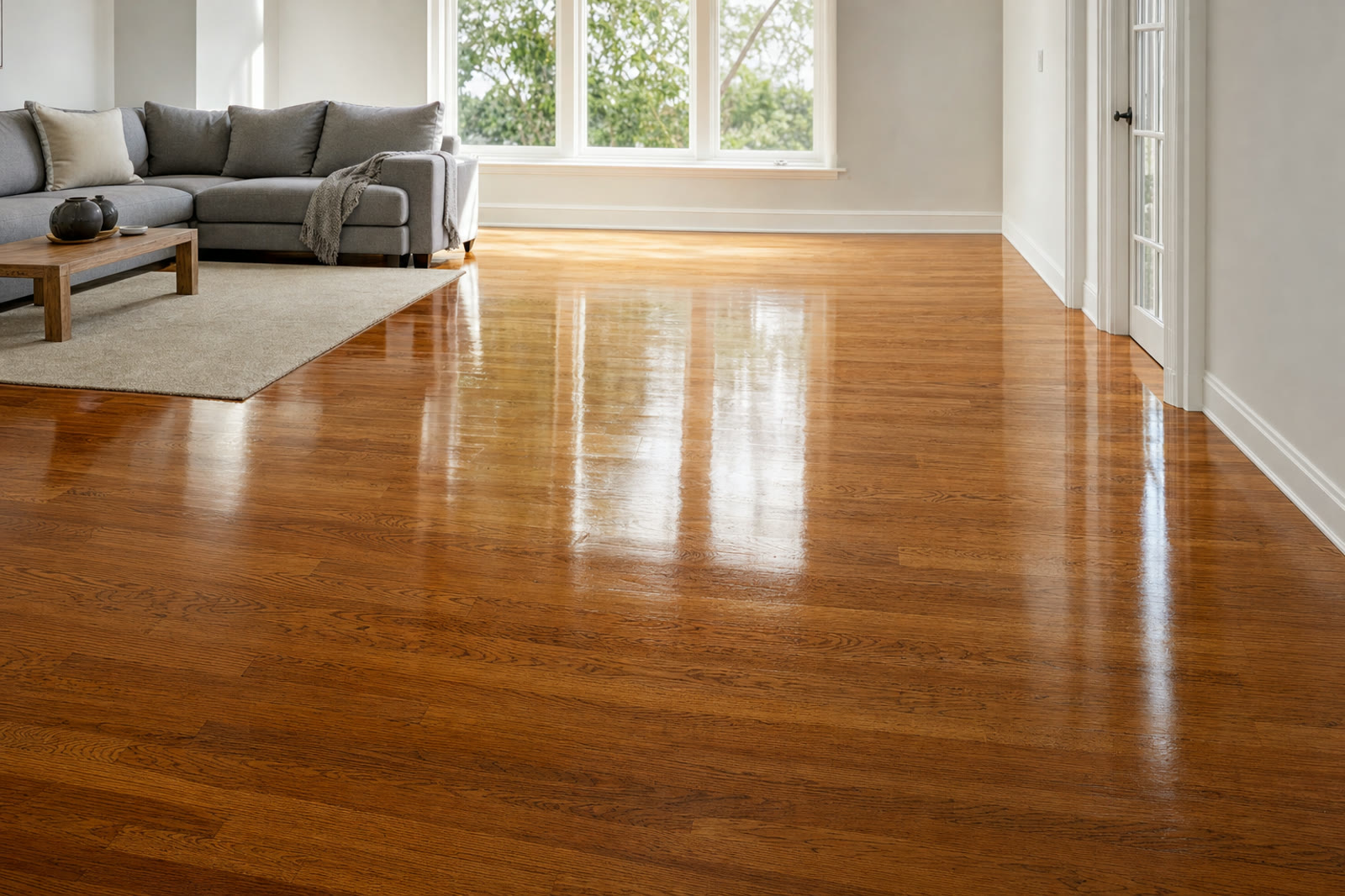
A living room oak floor with a fresh glossy finish

Screen and recoat

A dull, lightly scuffed finish buffed and given a fresh coat, without sanding down to bare wood.

When the finish is worn and dull but the wood under it is not, the floor can often be recoated instead of sanded. The surface is buffed with a fine screen to roughen the old finish so the new coat grips, cleaned, and a fresh coat goes on. It does not fix scratches that have gone into the wood or grey areas where the finish has worn through. Floors that have been waxed usually cannot be recoated this way.

Call about screen and recoat
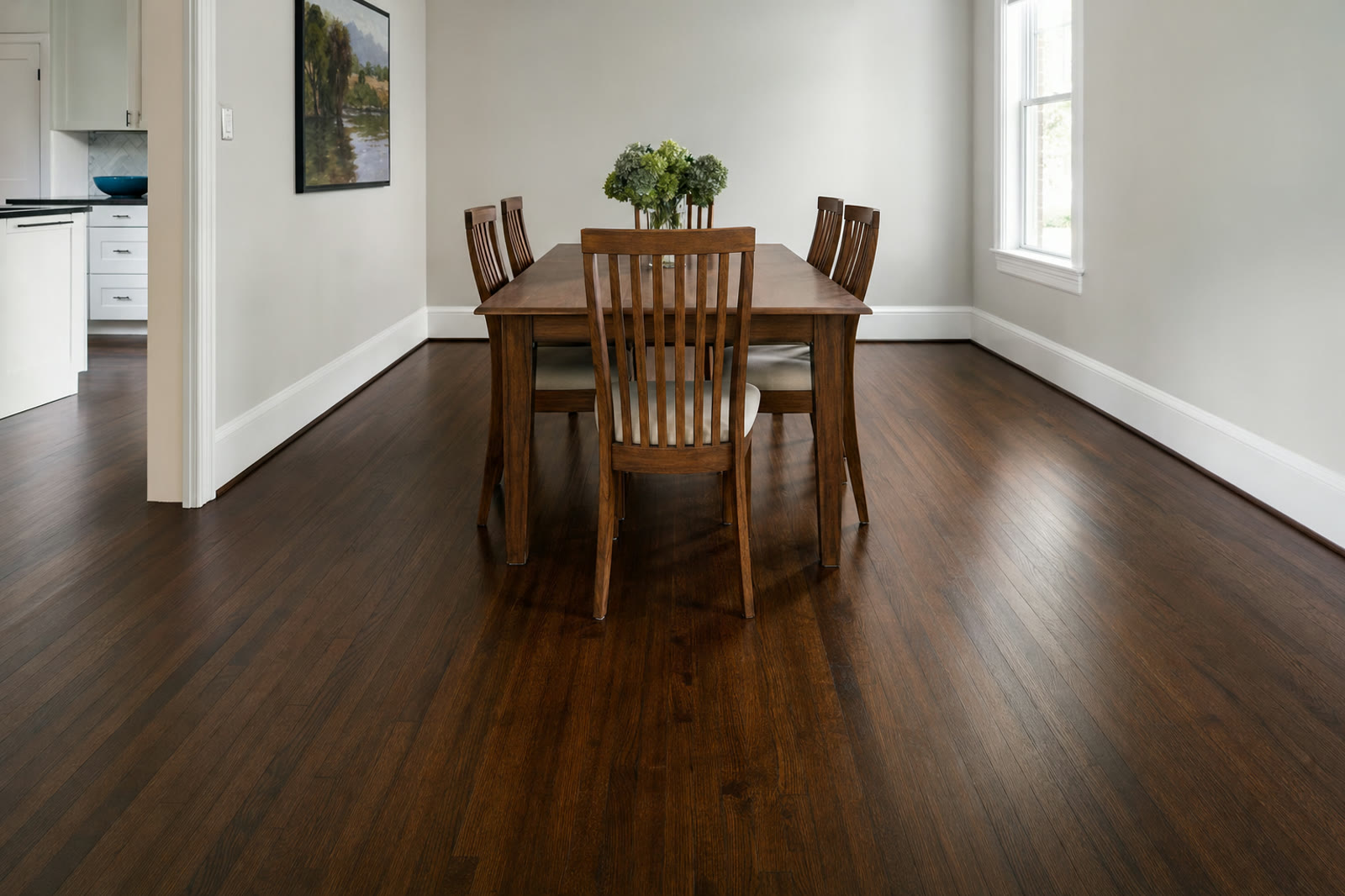
A dining room oak floor stained an even dark walnut brown

Stain and colour changes

A new colour for an old floor, from natural to dark, with sample patches on the floor before the whole room is done.

Changing a floor’s colour means sanding it to bare wood first, since stain only takes on raw wood. The same stain looks different on oak, maple and pine, and different again on any one floor, so a few sample patches are usually put down on the floor itself to choose from. Maple and some other woods take stain unevenly, which is worth knowing before picking a dark colour.

Call about stain and colour changes
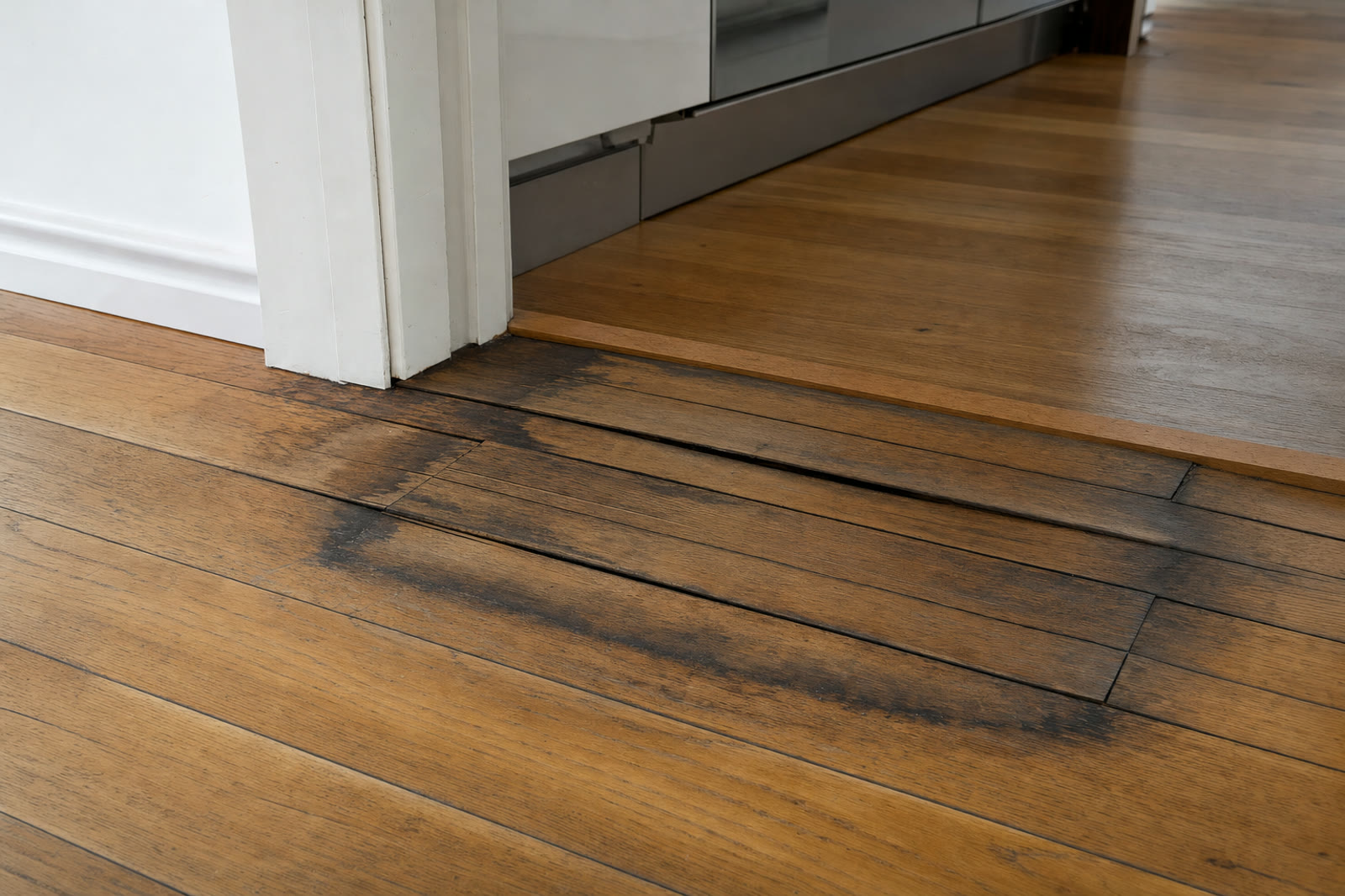
Water-stained, cupped oak floor boards near a doorway

Board repair and water damage

Damaged, stained or cupped boards cut out and replaced, woven into the floor around them, before the floor is refinished.

Damaged boards are cut out and new ones are woven in, staggering the ends so the repair does not show as a square patch. Matching the species and width matters, and the new wood usually looks different until the area, or the whole floor, is sanded and finished together. With water damage, the source of the water is found and the floor allowed to dry before boards are replaced, since wet wood keeps moving.

Call about board repair and water damage
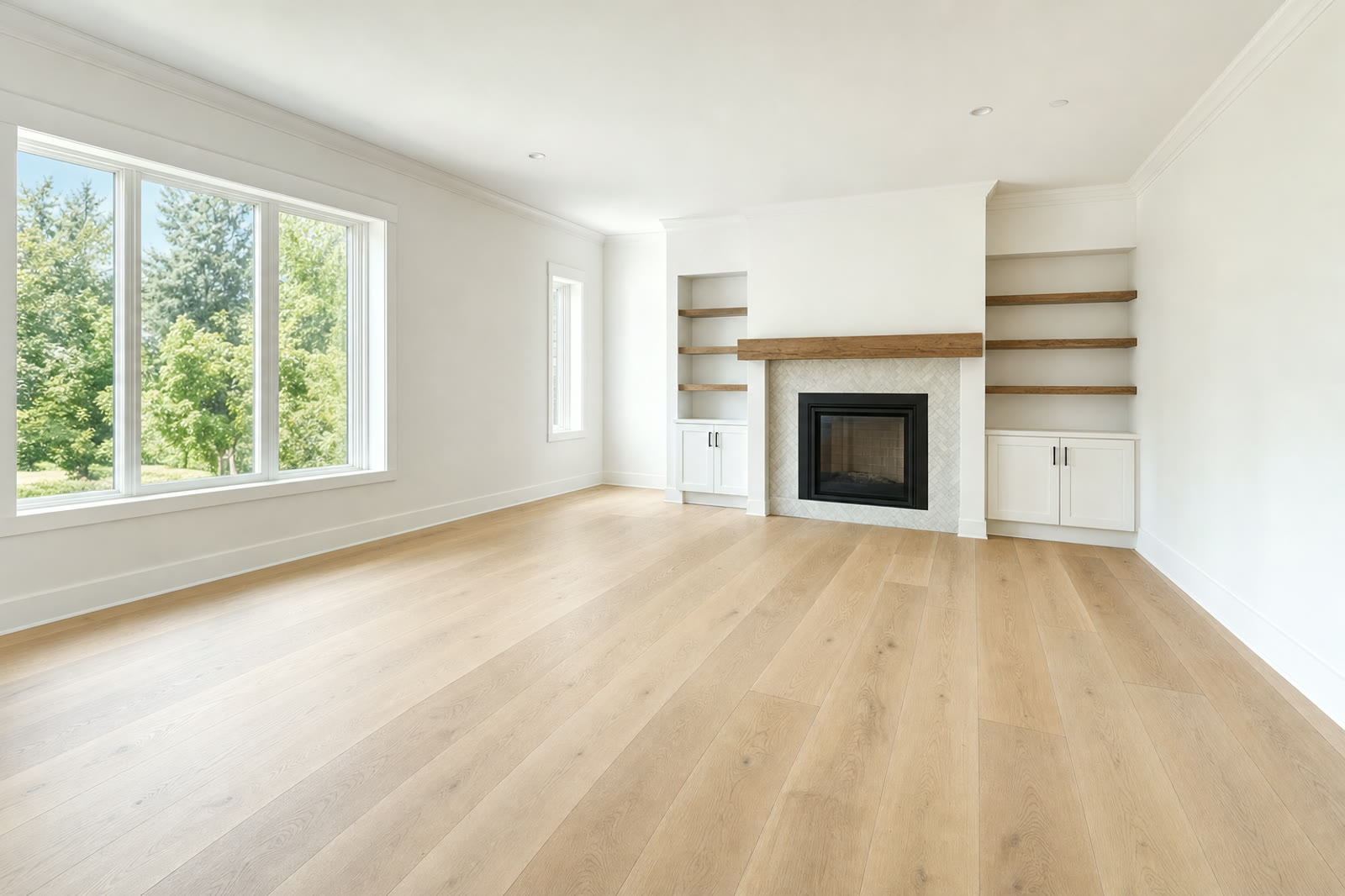
A family room with a newly laid wide-plank white oak floor

New hardwood floors

New solid and engineered hardwood floors laid over a sound, flat subfloor, then sanded and finished in place where they are unfinished.

Hardwood is a natural material that swells and shrinks with the humidity, so the boards are usually brought into the house to settle before they are laid, and a gap is left at the walls under the baseboards. The subfloor is checked for flatness and squeaks first. Unfinished boards are sanded and finished in place after they go down; prefinished boards come with the finish already on.

Call about new hardwood floors
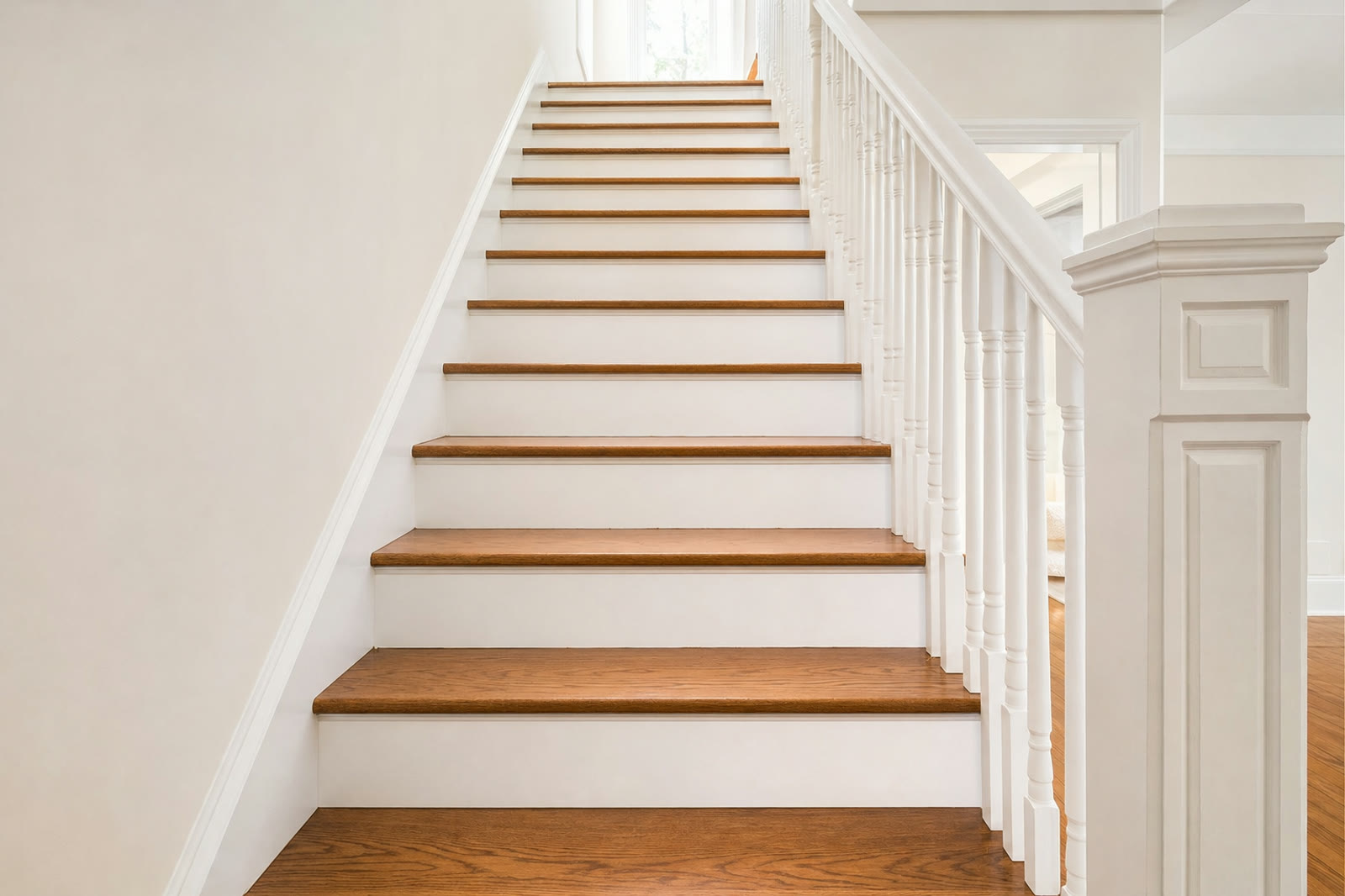
A staircase with refinished oak treads and white risers

Stairs and treads

Stair treads sanded and refinished by hand, or replaced with new hardwood treads, to match the floors around them.

Stairs take longer than their size suggests, because most of a tread is edges, noses and corners that are sanded by hand or with small sanders. Carpeted stairs sometimes hide treads that can be refinished, and sometimes rough treads that were never meant to show; lifting a corner of the carpet on one step usually tells which.

Call about stairs and treads
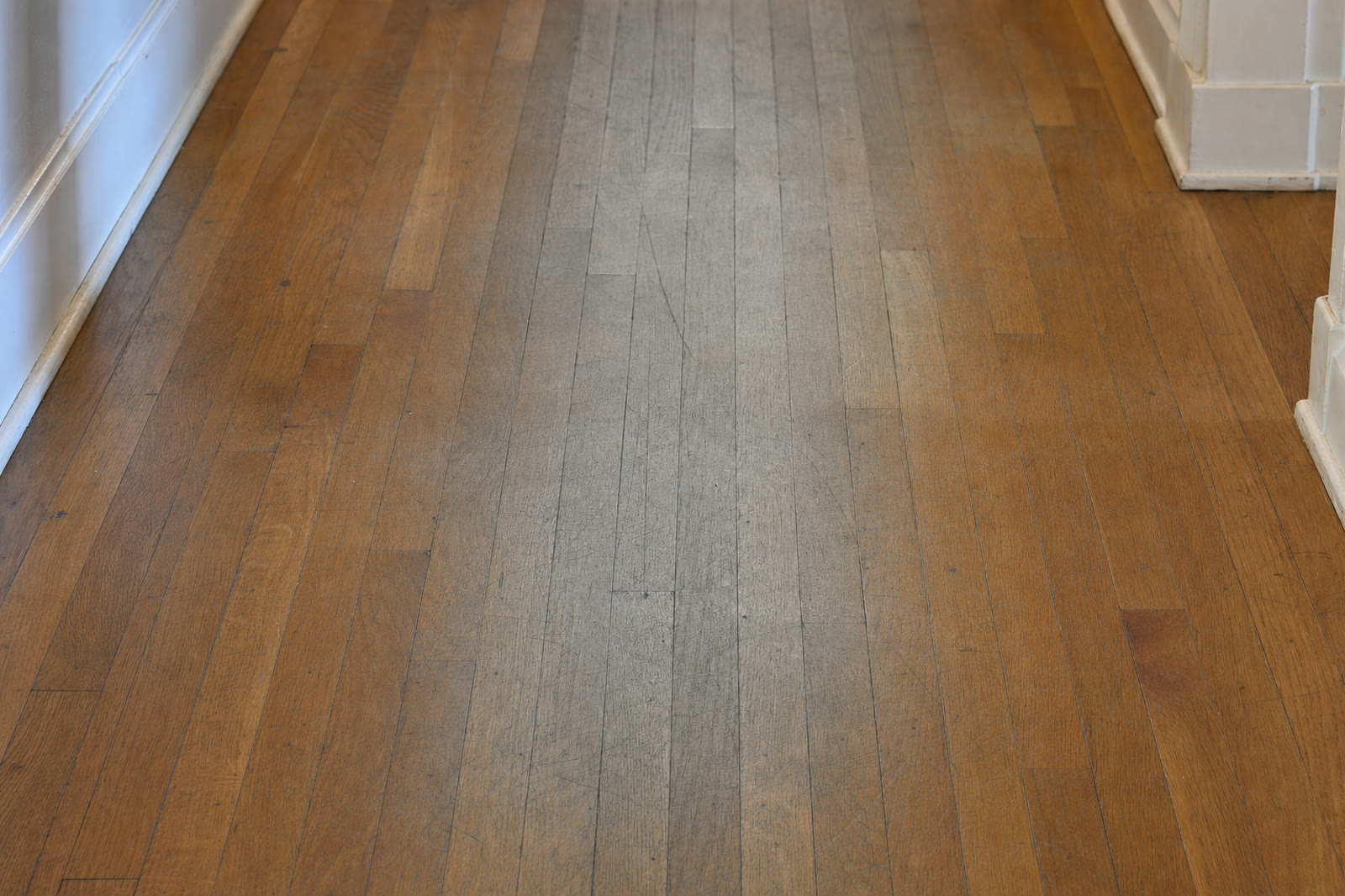
A greyed, worn traffic path down the middle of an oak hallway floor

Around the house

Scratches. Grey patches. Boards that cup.

Most hardwood floor problems have a usual cause. Say what you are seeing and it is easier to tell you what it takes.

A dull, scuffed finish

When the finish is dull and lightly scuffed but the wood under it still has its colour, the wear is often only in the finish. Scratches that catch a fingernail, or that look pale, have usually gone through it into the wood.

Tell Julio about the job.

The fastest way is the phone. If it is easier to write it down, send the form and they will get back to you.

Call Julio Get a quote